
Sourcing Berber Rugs
We usually spend two or three months each year in Morocco, sourcing rugs and textiles and travelling through parts of the country we know well, as well as regions we have visited less frequently. Our Moroccan home - a little smallholding with a modest house - is in the northern Middle Atlas mountains, where Mo was born and grew up
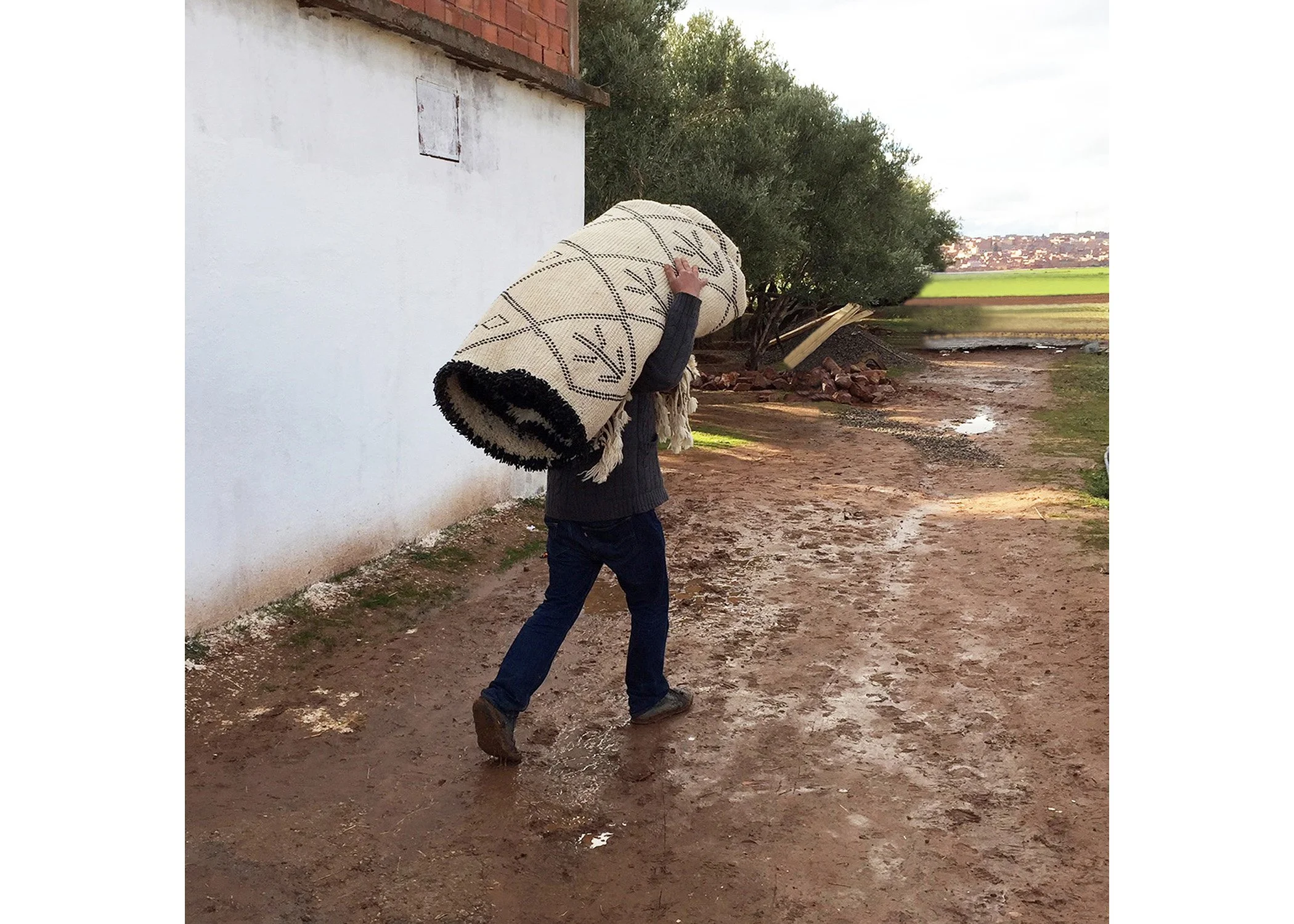
Morocco’s rural Berber weaving culture — rugs with a long history, made for personal and domestic use by the country’s different Berber (and occasionally, Arab) groups — varies widely from region to region. Unsurprisingly, some of the most beautiful carpets and weavings were produced in mountainous areas, where plentiful grazing pastures for sheep and cold winters created a need for thick-pile rugs and warm blankets to protect against the extreme temperatures. Made by women for their own families, these rugs and textiles are the pieces we tend to specialise in, and it is in these mountain areas that we travel to source most of our rugs and textiles
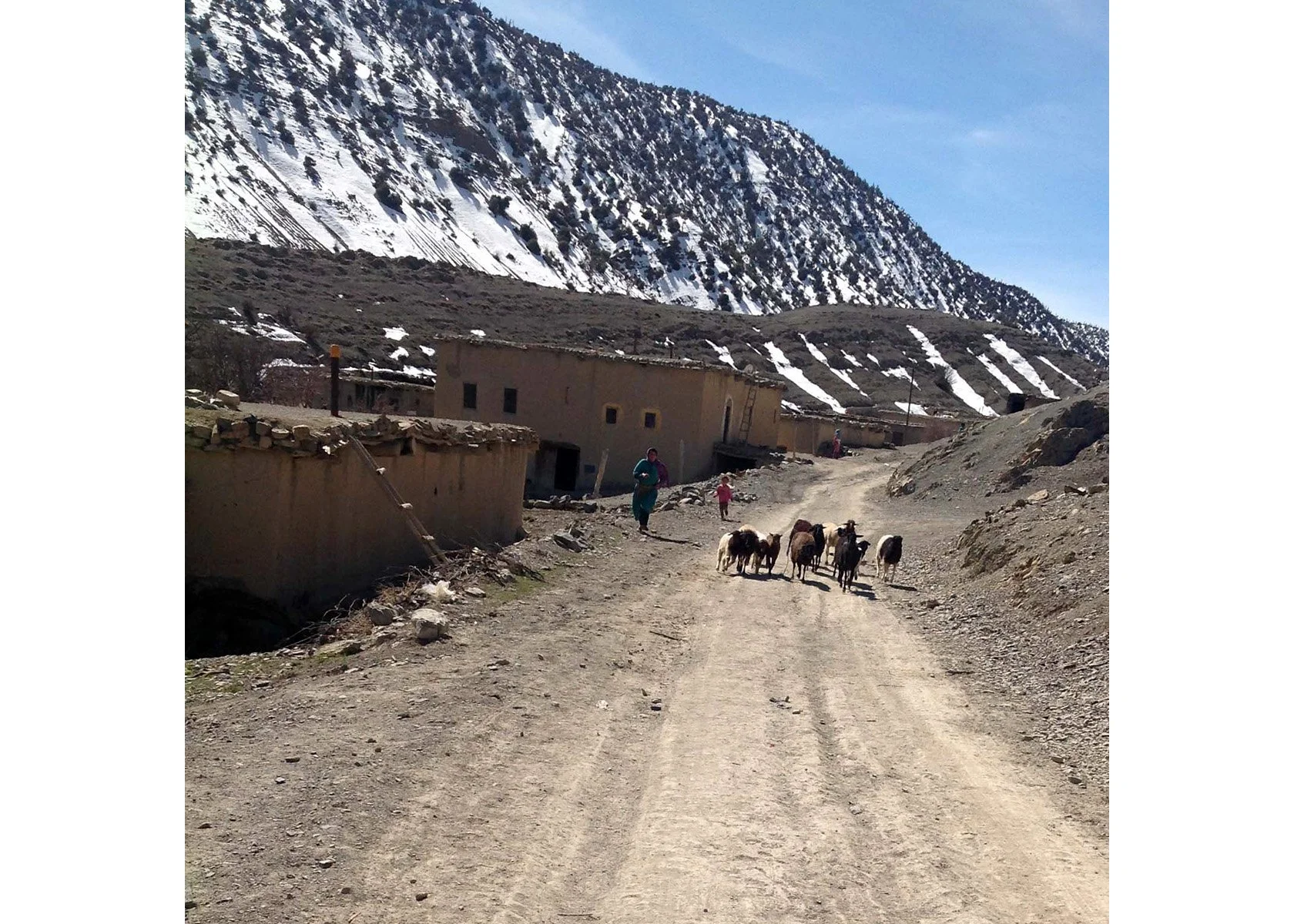
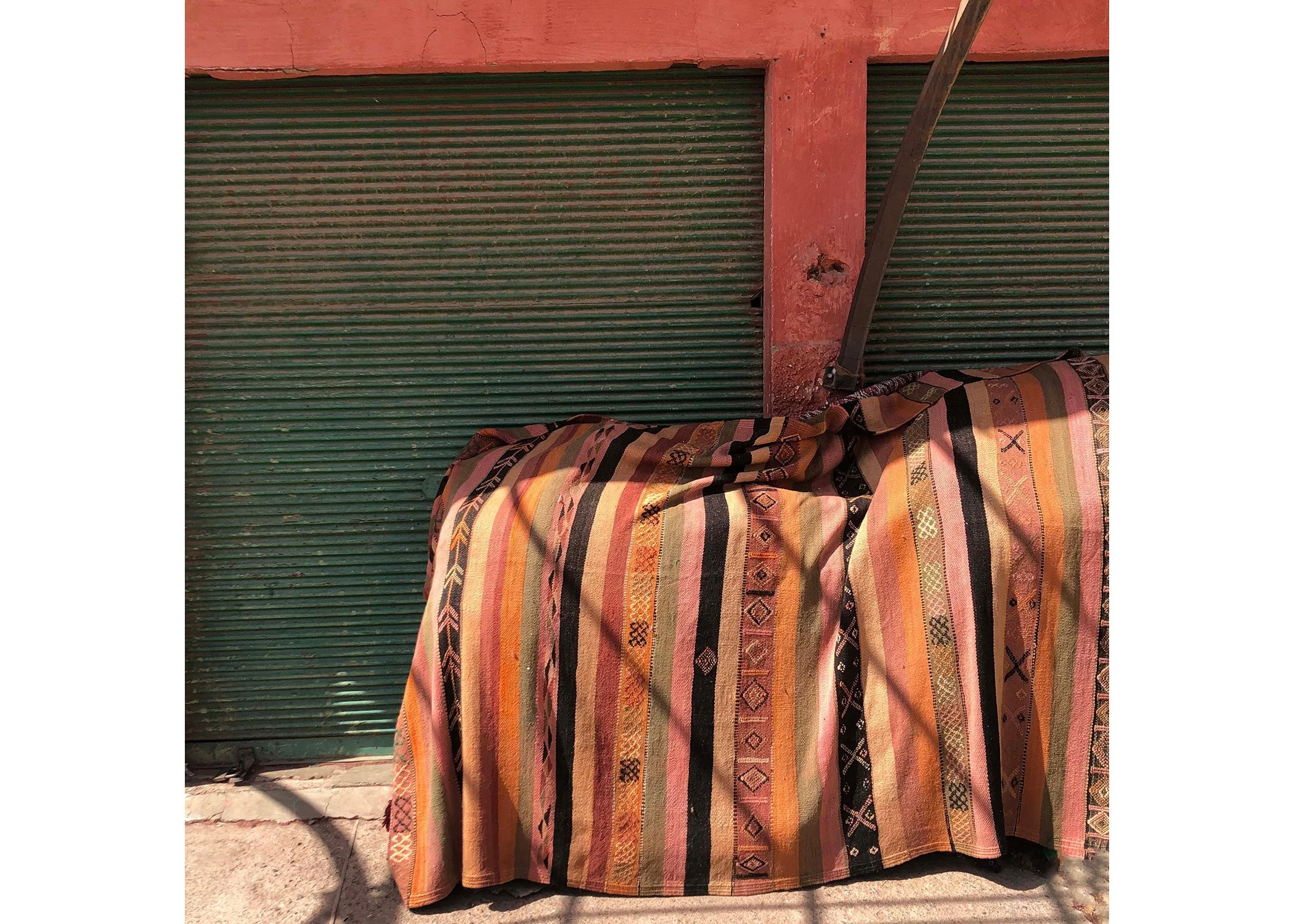
Further south, where the climate is warmer, and rugs were used more simply for sleeping and sitting on, we source lower-pile carpets with finer weaves and often with brighter, sunny hues. Communities in the Ourika valley - south of Marrakech - and along the northern slopes of the High Atlas have created long and large rugs for use in their private homes as well as soft blanket-like flatweaves. We try to find these fantastic pieces right in the communities where they were woven
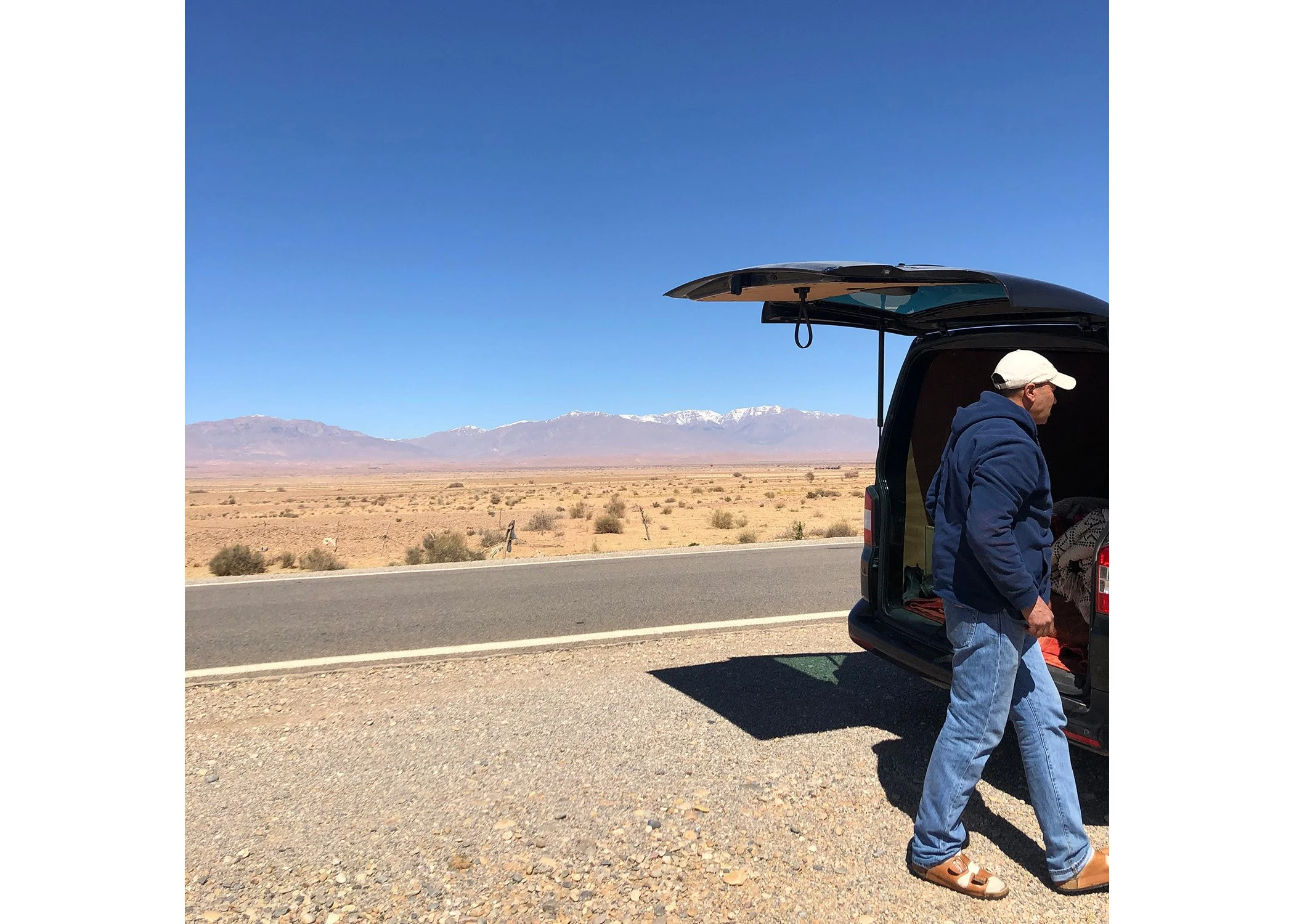
The supply of old and domestic Berber rugs is limited — there is not an endless supply. Since we started collecting Berber textiles over 25 years ago, we have seen a significant decline in the number of beautiful and original rugs available. Today, we travel longer distances and spend more time searching to find the kinds of textiles we believe merit attention
When sourcing rugs, we never travel into the mountains or down to the south of the country with a fixed idea of what to find. Our approach has always been simple: we buy what is beautiful, genuinely authentic, and exceptionally well made. Sometimes we are fortunate enough to discover fantastic flatweave kilim-style rugs; at other times, we may find large, soft, creamy Beni Ouarain rugs, traditionally woven for everyday use with simple, understated designs
A word about Marrakesh. This is not a place where we go to source rugs. For decades - centuries - Marrakesh has been both a tourist destination and a place of trade within Morocco. However, today, many of the rugs sold in the shops and galleries of Marrakesh are newer commercial productions. Some are treated with chemicals and artificially distressed to imitate the patina of genuine vintage pieces, despite being woven in commercial workshops
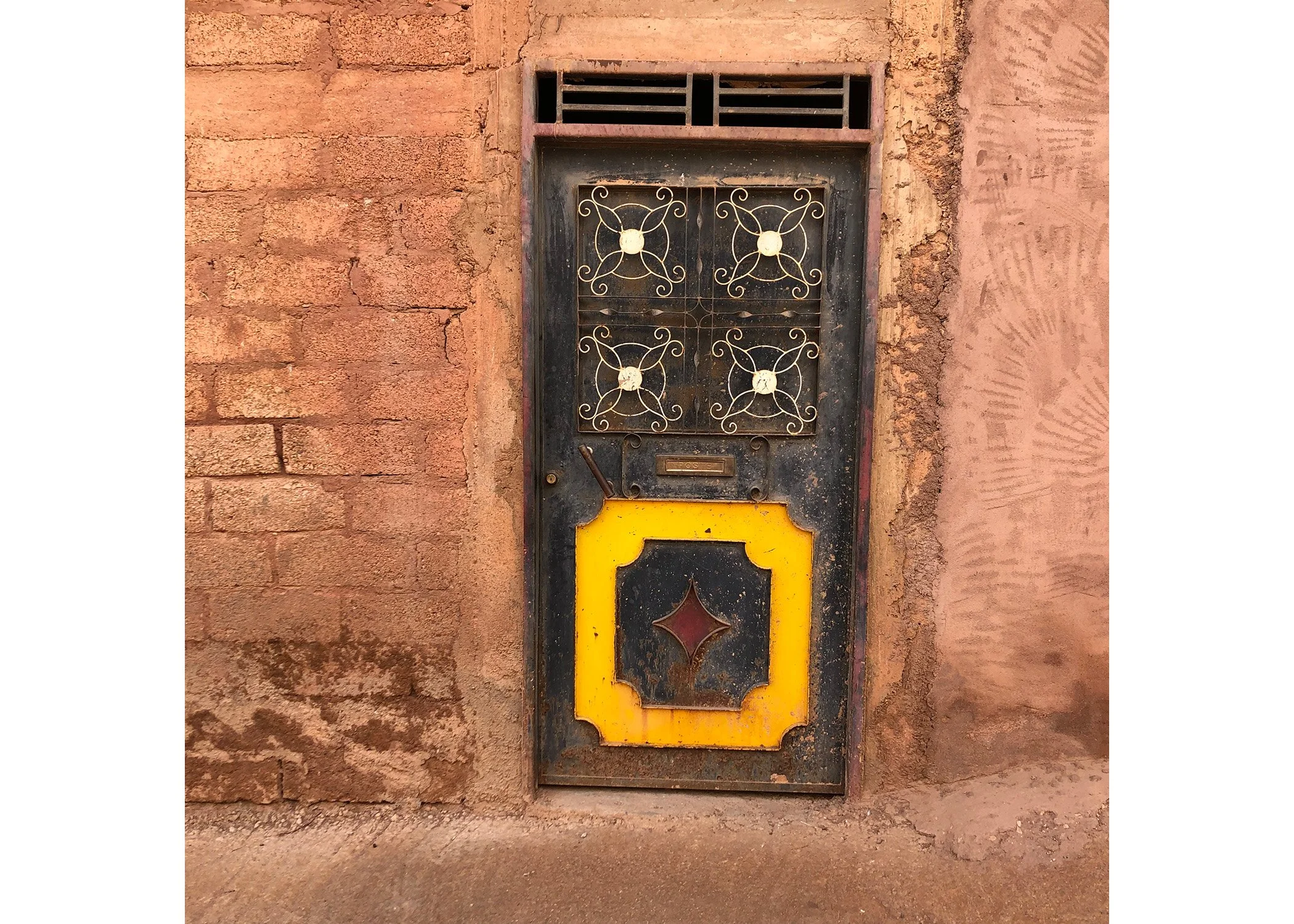
After we have found the rugs we want to buy, a lot of the cleaning and mending that needs to be done (and there is plenty!) happens in Morocco, where we have the help of local specialists. Mending an old Berber carpet takes real skill, and it is - literally - a dying out art
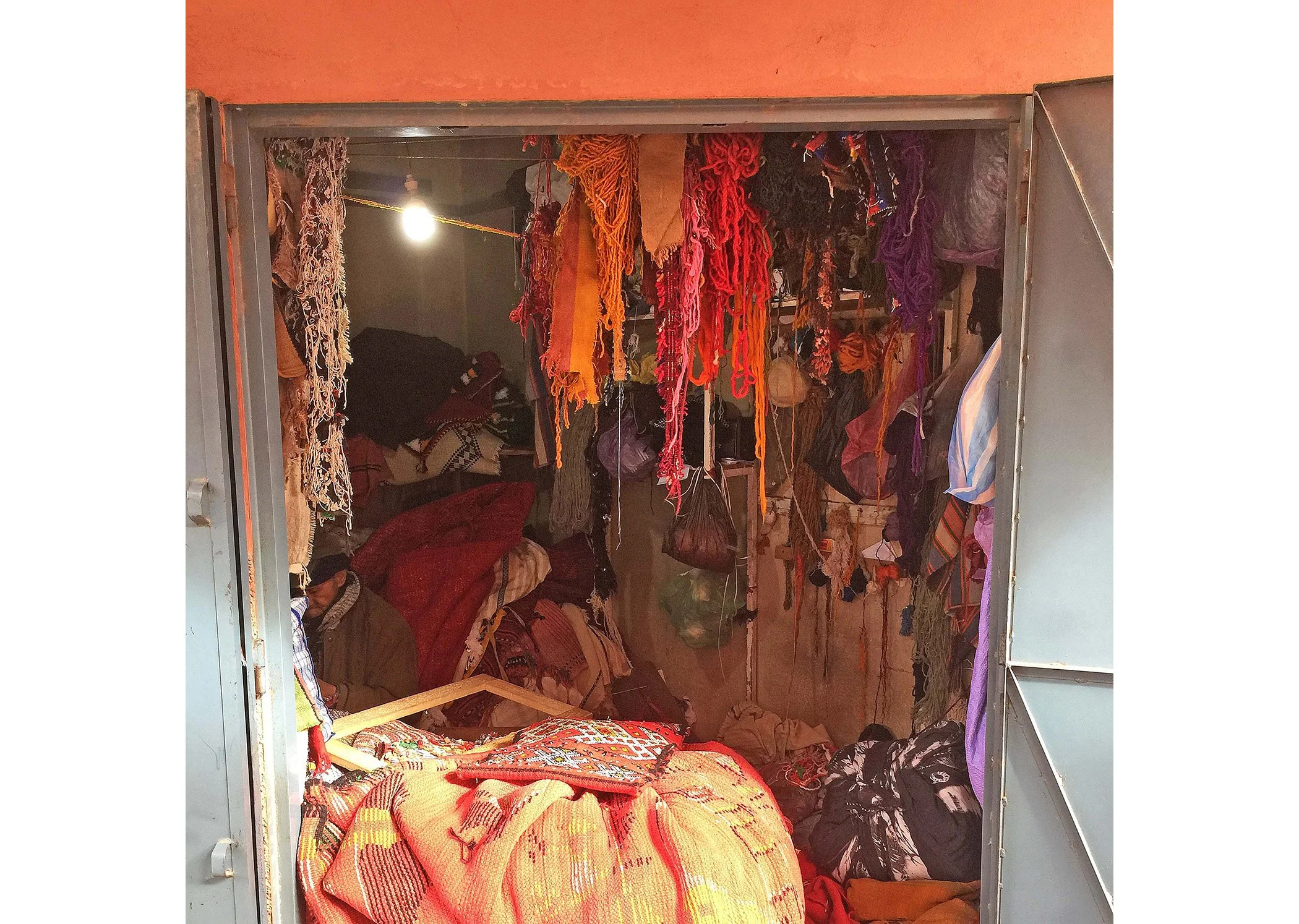
When we travel to find old Berber rugs, one of the things we hope for is the unexpected - good pieces;local, handmade rugs and weavings; carpets with provenance; and pieces with a haphazard beauty or creative innovation